Magome – Tsumago Trail
Once an old highway where samurai, merchants, poets, and pilgrims crossed the mountains of Japanese Alps. The famed Edo-period poet Basho once traveled through the Kiso Valley along the Nakasendo trail in 1684 and 1687, capturing his journey in travelogues: “The Records of a Travel-Worn Satchel” and reflecting upon his journey, he wrote:
“This early spring barely nine days old / and all those fields and mountains / withered winter grass — waves of warm spring air shimmering just above.” – Matsuo Bashō
Have you ever time travelled? The historic trail of Nakasendo and the small Post towns of Magome(officially Magome-juku) & Tsumago(Tsumago-juku) from the Edo period are its testament of keeping the past alive.
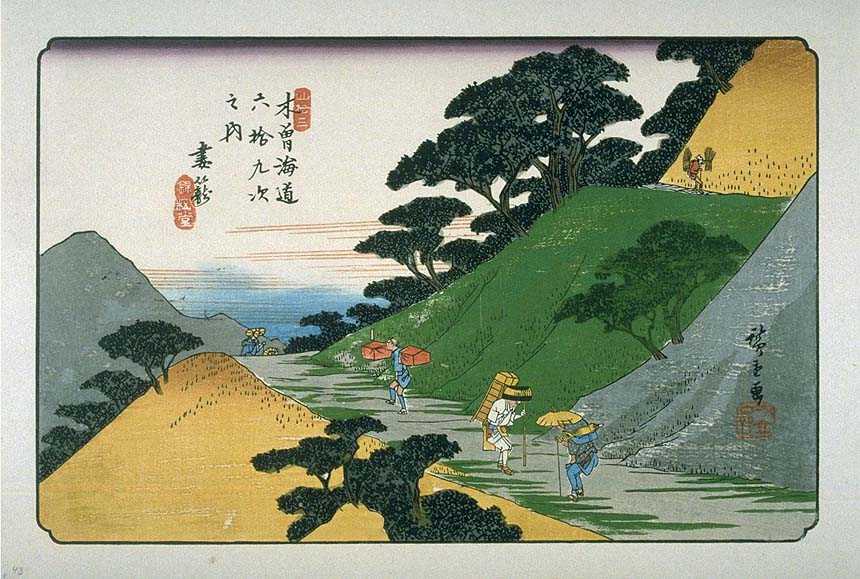
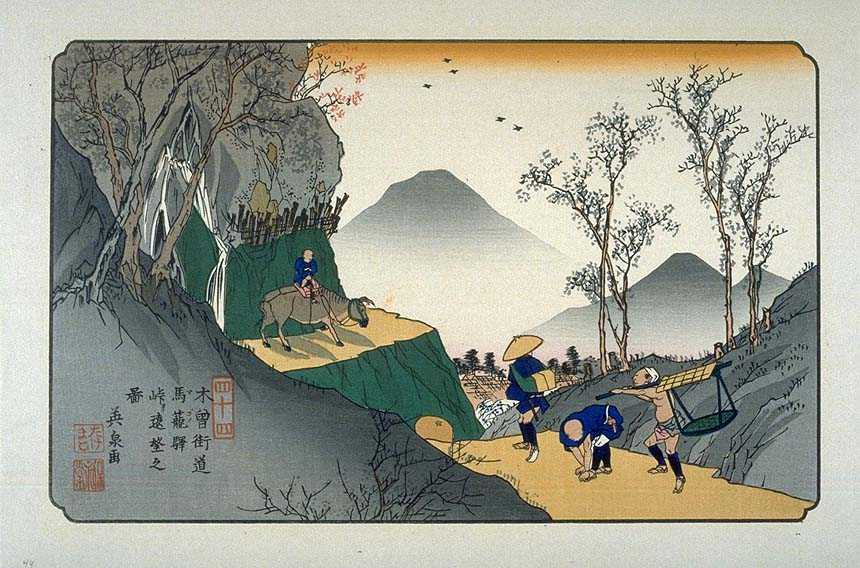
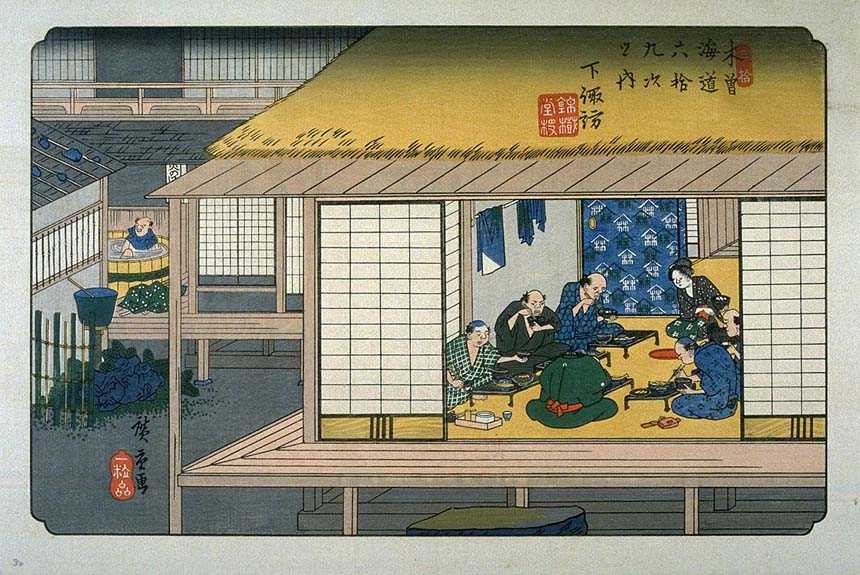
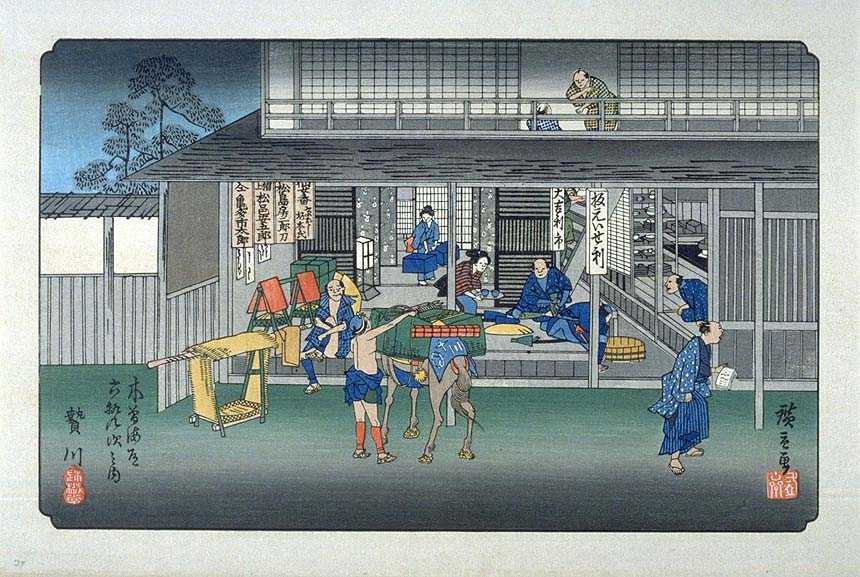
These houses have been restored and kept the old days charm alive. The name Nakasendo means “central mountain route.” It was one of the five great highways of the Edo period (1603–1868), linking Edo (today’s Tokyo) with Kyoto through the mountainous interior rather than along the coast. The full route runs roughly 530 kilometres, from Nihonbashi Bridge in Tokyo to Sanjo Ohashi Bridge in Kyoto. These post towns were strategically placed, roughly about 10 km from each other. In Japanese, these towns are called “Shukuba machi (宿場町)”. Shuku is often replaced by Juku; that’s why we hear Tsumago-juku or Magome-juku. This allowed travellers to eat, rest & relax and then start their journey again. Some of these views were captured meticulously through Ukiyo-e by Artist Hiroshige & Eisen (More information here – The Sixty-nine Stations of the Kiso Kaidō.
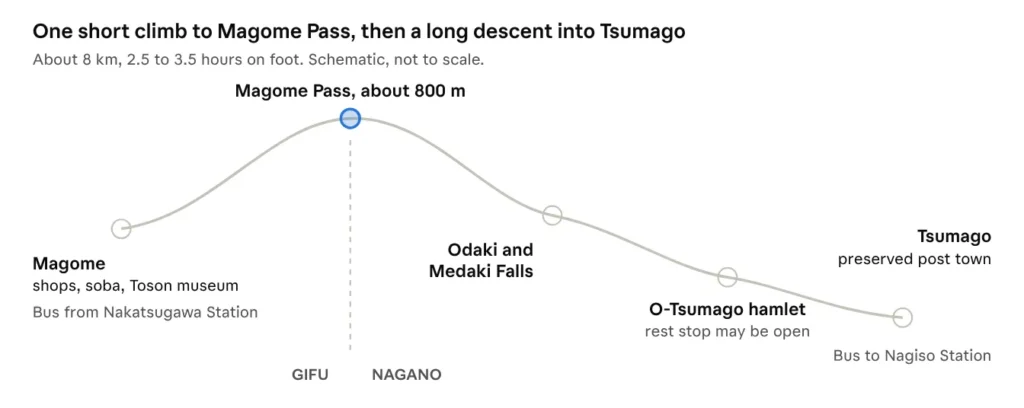
Roughly an 8 Kilometre stretch of hilly roads with cobbled pathways and a few eateries for passersby, it is a journey of a lifetime and a lifeline for the journeyer. Although most hikers take just 2.5 – 3.5 hours, we took almost half a day to finish this trail. A steep walk of 800m from Magome..then descending for a nice stretch to Tsumago.
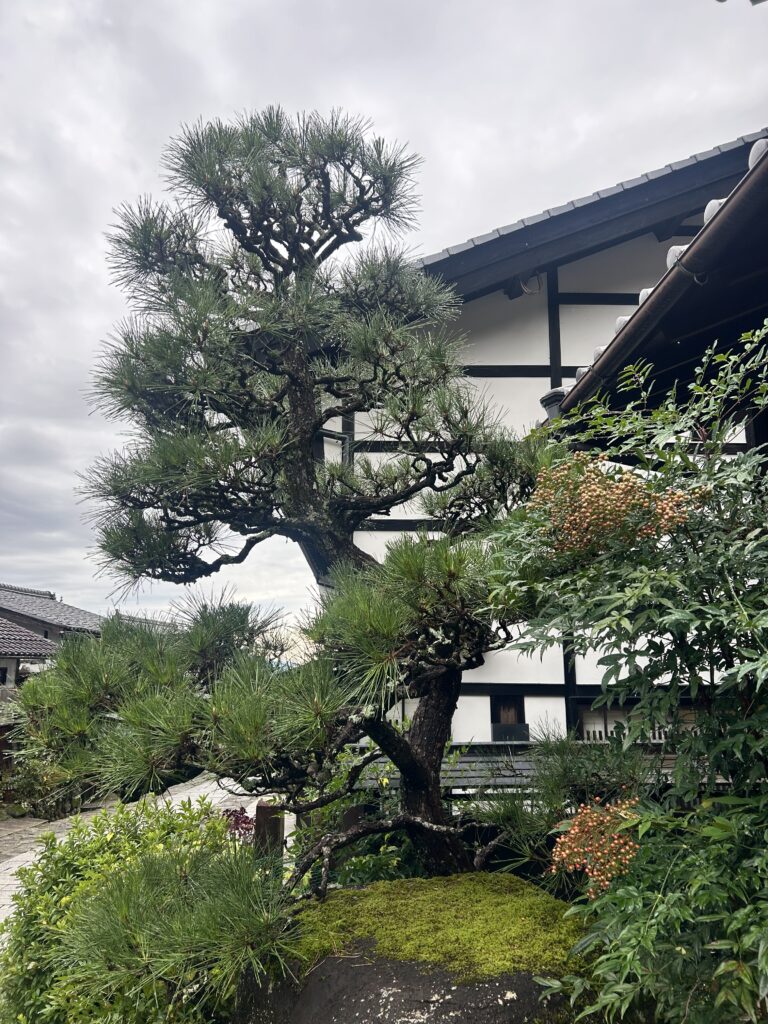
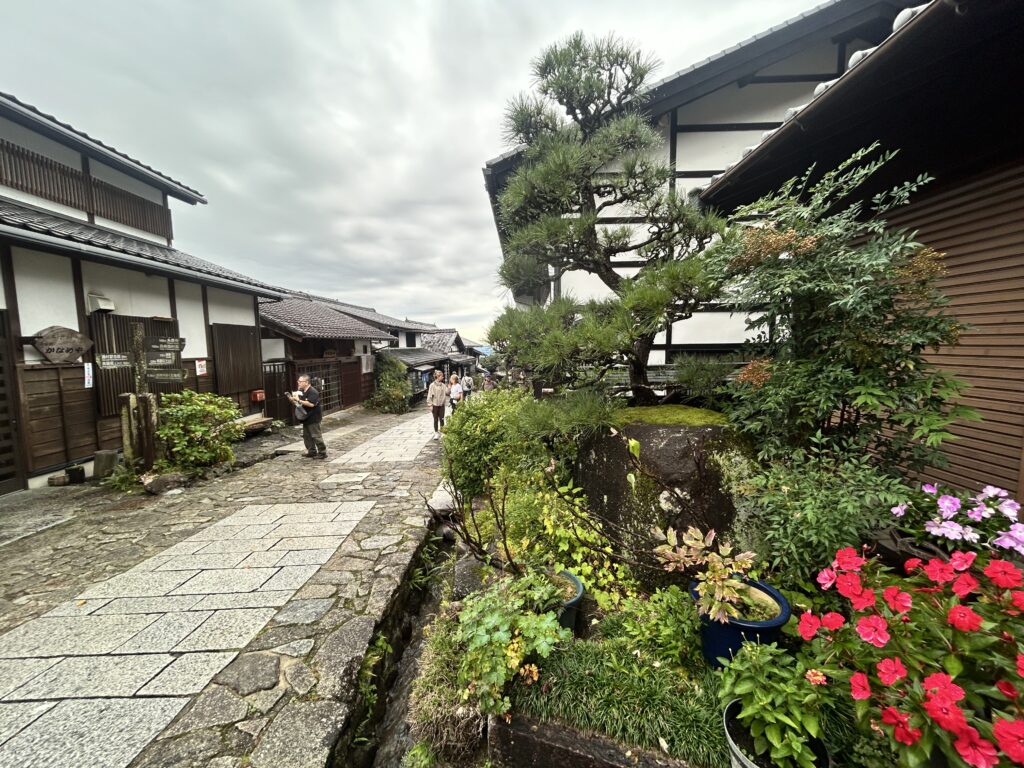
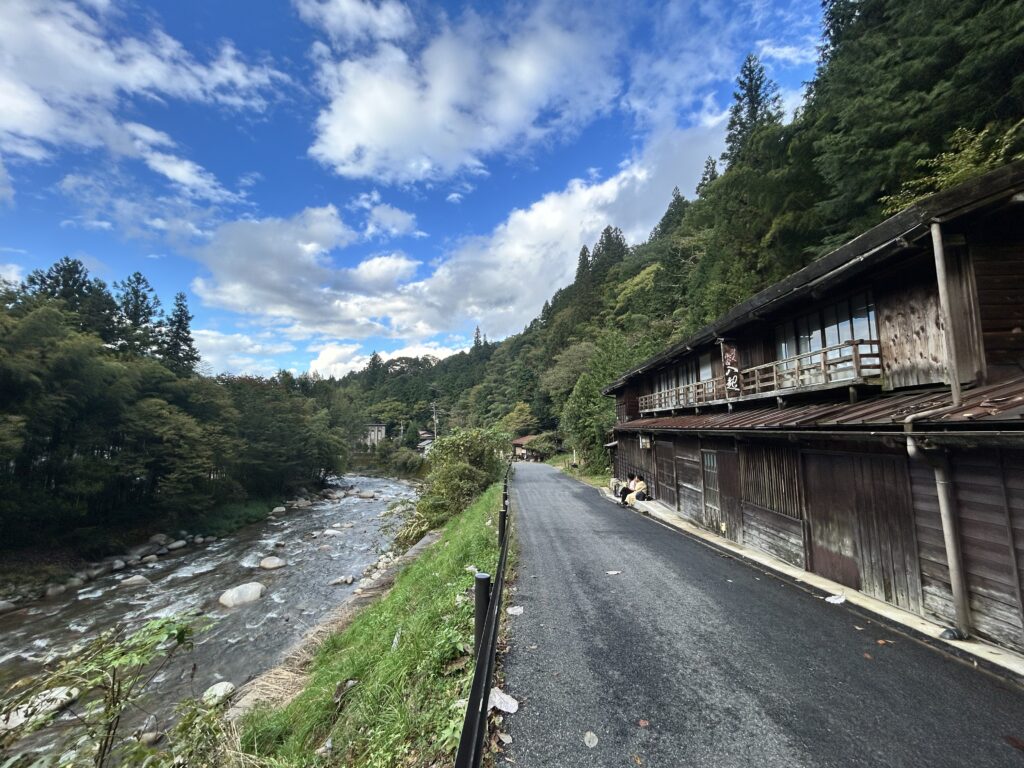
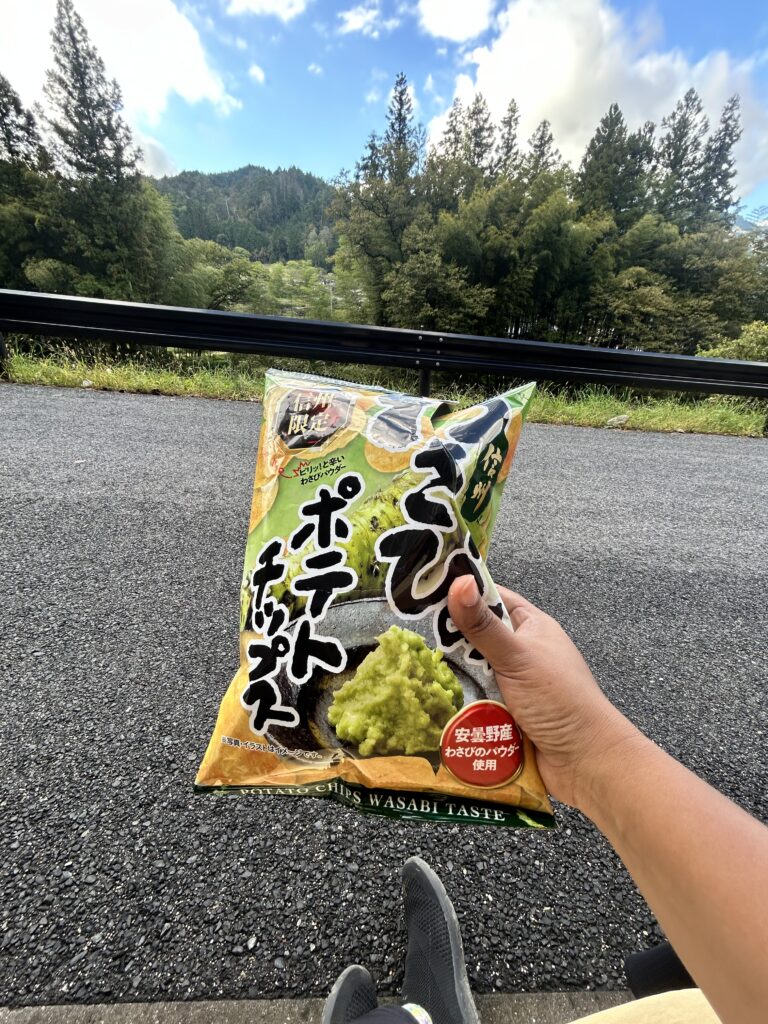
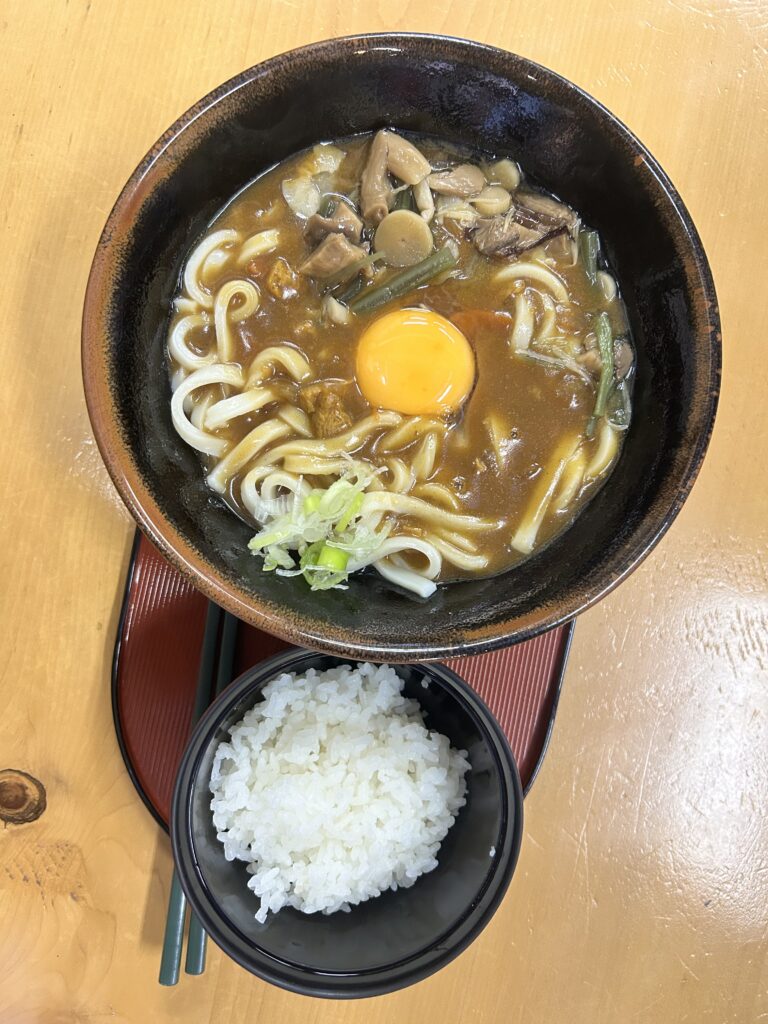
The trail ends at Tsumago’s preserved street of dark timber houses with latticed windows, now home to shops, tea rooms and ryokan. Our trip concluded with deep hunger pangs, and we indulged in some fiery wasabi potato chips and a bowl of soba and udon noodles.